

Most business owners check likes, reach and follower counts, then wonder why sales have not moved. Real digital marketing is judged by a shorter list of numbers: the ones that connect spend to leads and revenue. This guide explains those metrics, how to track them and how to use them to improve results.
What Is Performance Marketing?
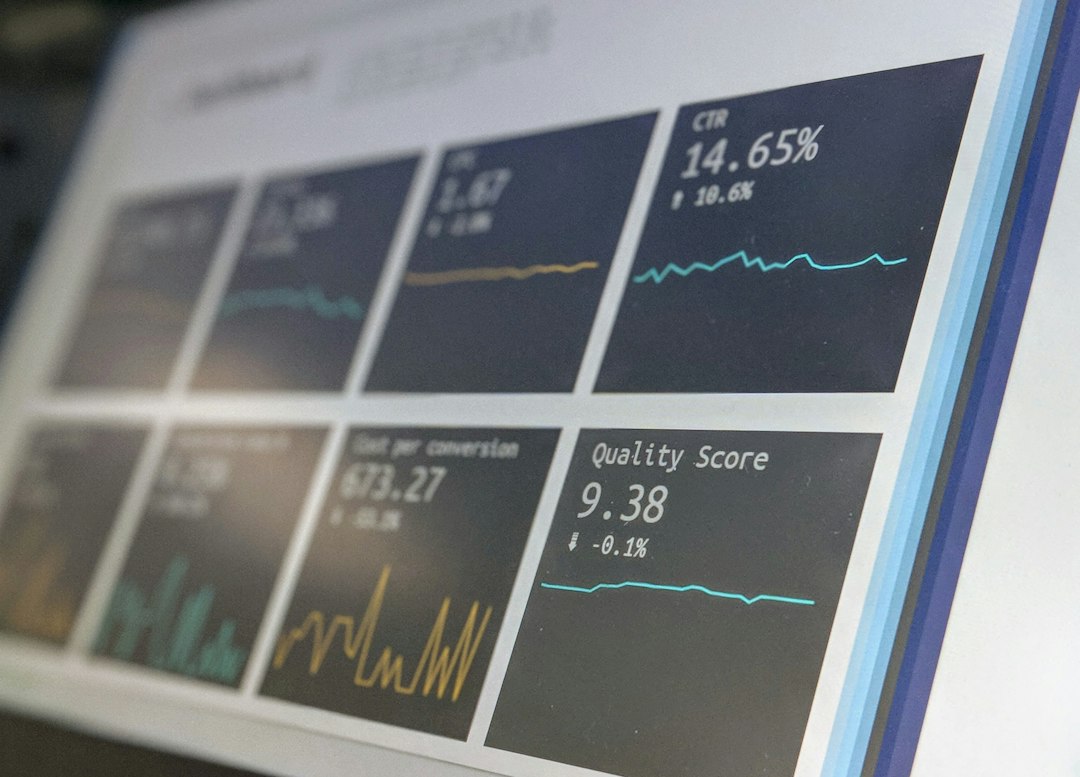
Performance marketing is a form of digital marketing where you pay for measurable actions, such as clicks, leads or sales, and judge every campaign by the results it produces. Instead of guessing, you track each action back to its source and move budget to what works.
It covers paid search, social ads, email and any channel where results can be counted. You can see how I apply it in my performance marketing project.
The Digital Marketing Metrics That Actually Matter
Start with a small scorecard. Too many numbers hide the story. These six cover most businesses.
| Metric | Formula | What it tells you |
|---|---|---|
| Click-through rate (CTR) | Clicks ÷ impressions × 100 | Whether your ad or listing is appealing |
| Cost per click (CPC) | Ad spend ÷ clicks | How expensive your traffic is |
| Conversion rate | Conversions ÷ visitors × 100 | How well your page turns visitors into leads |
| Cost per lead (CPL) | Ad spend ÷ leads | What each enquiry costs you |
| Customer acquisition cost (CAC) | Total marketing cost ÷ new customers | What each paying customer costs you |
| Return on ad spend (ROAS) | Revenue from ads ÷ ad spend | How much revenue each rupee of ads returns |
An example with simple numbers
Here is a hypothetical month to show how the metrics connect. You spend ₹20,000 on ads and get 40 leads. Your CPL is ₹500. Five leads become customers, so your CAC is ₹4,000. Those customers bring ₹80,000 in revenue, so your ROAS is 4. Now you can ask a useful question: is a ₹4,000 acquisition cost profitable for this product?
Vanity metrics versus business metrics
Followers, impressions and likes are useful for awareness, but they do not pay bills. Treat them as early signals. Judge success by leads, customers and revenue.
Which Channels Drive Performance Marketing?
Google Ads
Search ads capture people who are already looking for what you sell. Google explains its automated formats in its guide to Performance Max campaigns.
Meta Ads (Facebook and Instagram)
Meta Ads help you create demand by reaching people based on interests and behaviour. They work well for products that look good and for local offers.
Email and WhatsApp follow-ups
These are the cheapest channels for turning leads into customers. Simple follow-up sequences often lift results without extra ad spend. See our digital marketing automation guide for ideas.
How to Track Digital Marketing Performance
Good decisions need clean data. Set up these four basics before you scale spend.
- Install Google Analytics 4 and mark form submits, calls and purchases as key events. Google shows how to mark events as key events.
- Add UTM tags to every campaign link so you know which ad or post sent each visitor.
- Install the Meta pixel and Google Ads tag to measure conversions inside the ad platforms.
- Track phone and WhatsApp clicks, because many Indian customers prefer to message before they fill a form.
How to Improve Your Results Every Week
Consistent improvement beats big overhauls. Use a short weekly routine.
A simple weekly review
Compare this week with last week on spend, leads, CPL and conversion rate. Pause the weakest ad set and give more budget to the strongest.
Test one thing at a time
Change a headline, an image or an audience, but not all three together. Otherwise you will not know what made the difference.
Give tests enough time
Let a test collect enough clicks and conversions before you decide. Stopping after one day often leads to wrong conclusions.
Write it down
Keep a simple log of what you tested and what you learned. Over a few months, it becomes your most valuable marketing asset.
Common Performance Marketing Mistakes
- Scaling budget before tracking is accurate.
- Judging a campaign on clicks instead of leads and sales.
- Ignoring profit margin when reading ROAS.
- Sending all traffic to the homepage instead of a focused landing page.
- Changing too many things at once.
Many of these repetitive checks can be automated. Read about ads automation for Meta and Google to save hours each week.
Conclusion: Measure What Matters
Strong digital marketing is not about doing more. It is about knowing which numbers drive your business and acting on them every week. Start with CPL, CAC and ROAS, track them honestly and improve one thing at a time. If you are new to the topic, start with what digital marketing is and build from there.
Want your digital marketing tracked properly?
I set up tracking, reporting and campaign optimisation so you know exactly what each rupee of ad spend is bringing back. Share your numbers and I will point out the quick wins.
Frequently Asked Questions
What is performance marketing?
Performance marketing is a type of digital marketing where results are measured and often paid for by action, such as clicks, leads or sales. Every campaign is tracked, so you can move budget to what delivers the best return.
What are the most important digital marketing metrics?
For most businesses the key metrics are click-through rate, cost per click, conversion rate, cost per lead, customer acquisition cost and return on ad spend. Together they show how efficiently marketing turns spend into customers.
What is a good ROAS?
It depends on your profit margin. To find your break-even ROAS, divide 1 by your profit margin. If your margin is 25 percent, break-even is 4. Anything above that makes a profit on the first sale, before repeat purchases.
What is the difference between CPL and CAC?
Cost per lead is what you pay to get an enquiry. Customer acquisition cost is what you pay to get a paying customer. CAC is higher because only some leads turn into sales.
How often should I review my campaign metrics?
Check key numbers weekly and review trends monthly. Daily checks are fine for large budgets, but avoid making big changes based on one day of data.
Is performance marketing the same as digital marketing?
No. Digital marketing is the broad field covering all online promotion. Performance marketing is one approach within it, focused on measurable actions and return on spend.
Can a small business use performance marketing?
Yes. A small budget works if tracking is set up properly and you focus on one clear goal, such as local leads or WhatsApp enquiries. Start small, learn quickly and scale what works.