

Posting when you remember is not a strategy. Customers check your Instagram, Facebook or LinkedIn before they trust you with their money, and they notice when a page has gone quiet. Good digital marketing on social media is planned, consistent and tied to business goals. This playbook explains what social media management involves and how to run it week by week.
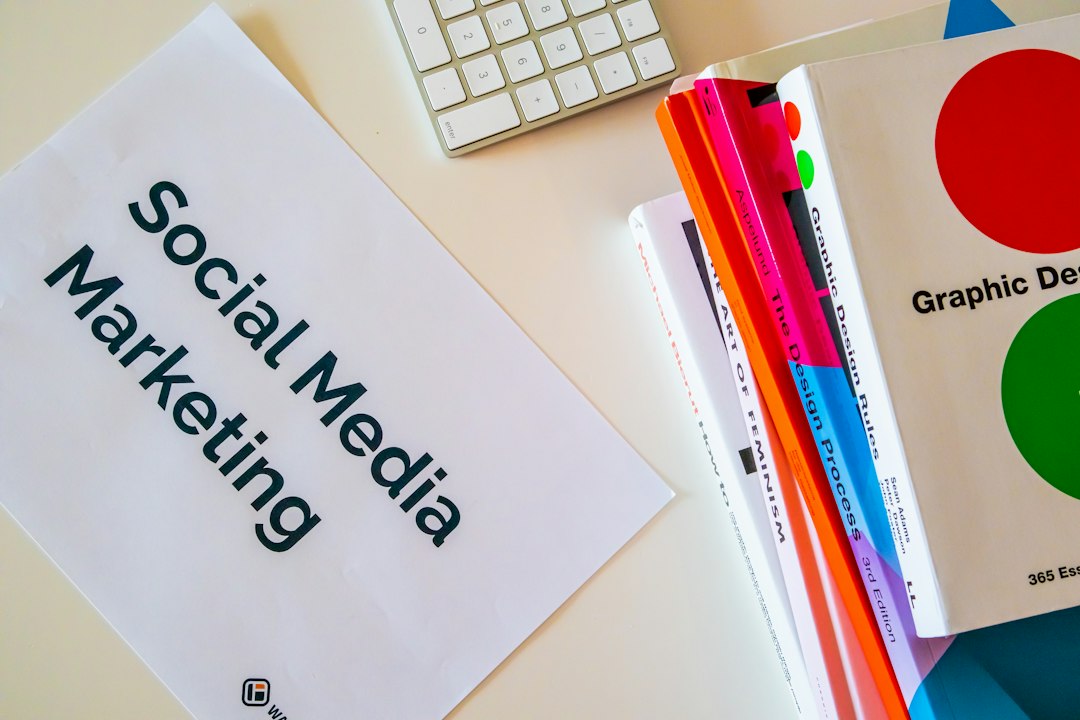
What Is Social Media Management for Business?
Social media management is the ongoing work of planning, creating, publishing and monitoring content on social platforms, and engaging with the audience, to meet business goals such as awareness, enquiries and sales. It combines creative work, community care and reporting.
This is the service I describe in my business social media handling project.
What Business Social Media Handling Includes in Digital Marketing
Strategy and goals
Everything starts with a clear goal, a defined audience and a few content themes. Without these, posts become random and results are hard to judge.
Content creation
This covers photos, short videos, carousels, captions and stories. Good content is clear, useful and recognisably yours. Plan it in advance using the method in content planning and strategy.
Publishing and scheduling
Posting at consistent times helps your audience know when to expect you. Scheduling tools make this easier.
Community management
Reply to comments and messages quickly and politely. This is where trust is built, and where many enquiries begin.
Paid promotion
Boosting your best posts or running targeted ads helps you reach people who do not follow you yet. See how to automate and optimise your ads.
Reporting
Review results monthly and use them to improve the next month’s plan.
Choosing the Right Platforms for Your Digital Marketing
You do not need to be everywhere. Choose the platforms where your customers already spend time.
| Platform | Best for | Content that works |
|---|---|---|
| Products, food, fashion, services with visuals | Reels, carousels, stories | |
| Local businesses and community groups | Updates, events, offers, short videos | |
| B2B services and professionals | Insights, case studies, personal stories | |
| YouTube | Products that need explaining | How-to videos, demos, shorts |
| Customer conversations | Catalogues, updates, quick replies |
A Weekly Social Media Routine That Works
A repeatable routine keeps quality high without burning you out. Here is a simple structure.
Monday: plan and prepare
Review last week’s results and confirm this week’s posts and offers.
Tuesday to Thursday: publish and engage
Post your main content and spend 15 to 20 minutes each day replying and commenting on related accounts.
Use a content mix
Rotate between educating, showing your work, proving results with customer stories, starting conversations and, occasionally, selling directly.
Repurpose your best ideas
Turn one blog post or video into several posts, a carousel and a story. This saves time and reinforces your message.
Add a clear call to action
Tell people what to do next: message us, book a call or visit the website.
Friday: review and prepare next week
Check what worked, save ideas and schedule next week’s content.
How to Measure Social Media Results
Likes feel good, but business results matter more in digital marketing. Track these numbers each month:
- Reach and impressions: How many people saw your content.
- Engagement: Comments, shares and saves, which show real interest.
- Profile visits and link clicks: People moving closer to buying.
- Messages and enquiries: The most important signal for service businesses.
- Leads and sales from social: Use tracking links and key events so you can see them. Google explains how to mark events as key events.
For a deeper look at the numbers behind results, read about performance marketing metrics.
Working With Creators
Partnering with creators is a fast way to widen your digital marketing reach. Choose people whose audience matches your customers and agree clear expectations. Our guide to influencer marketing explains how.
Common Social Media Mistakes
- Posting inconsistently or disappearing for weeks.
- Only promoting and never helping or entertaining.
- Ignoring comments and direct messages.
- Using the same content on every platform without adapting it.
- Chasing followers instead of enquiries.
Handle It Yourself or Outsource?
If you have time and enjoy it, start yourself with three posts a week. Outsource when consistency slips, when you need better creative or when you want reporting tied to leads. Small businesses can also read our guide to digital marketing for small business for a full starter plan.
Conclusion: Be Consistent, Be Useful
Strong digital marketing on social media comes from a clear goal, a realistic routine and genuine conversations with your audience. Start with one or two platforms, track enquiries and improve every month. For a broader foundation, see what digital marketing is.
Want someone to handle your social media?
I manage business social media end to end, from strategy and content to community replies and monthly reports. Tell me about your brand and I will share a simple plan.
Frequently Asked Questions
What does a social media manager do?
A social media manager plans content, creates or coordinates posts, publishes on schedule, replies to comments and messages, runs promotions and reports on results. The aim is to support business goals such as enquiries and sales.
How often should a business post on social media?
Consistency matters more than volume. Three quality posts a week on your main platform is a realistic starting point for most small businesses. Increase only if you can maintain the quality.
Which social media platform is best for business?
It depends on where your customers are. Instagram and Facebook suit most consumer brands, LinkedIn suits B2B services and YouTube suits products that need demonstration. Start with one or two.
How do I measure social media success?
Look beyond likes. Track reach, engagement, profile visits, link clicks, messages and the leads or sales that come from social. Use tracking links and analytics so results are tied to business goals.
Should I run ads on social media?
Ads help when you have a clear offer and good organic content. Start with a small budget, test a few creatives and measure cost per lead before scaling.
How long does it take to grow on social media?
Growth is gradual. Many businesses see steady improvement after two to three months of consistent posting and engagement. Quality content and real conversations speed it up.
Is it worth hiring someone to manage social media?
It can be, especially if you lack time or creative skills. A good manager brings strategy, consistency and reporting, so your social media supports your sales instead of becoming another task.